By: Retave’s TVET Desk Editor
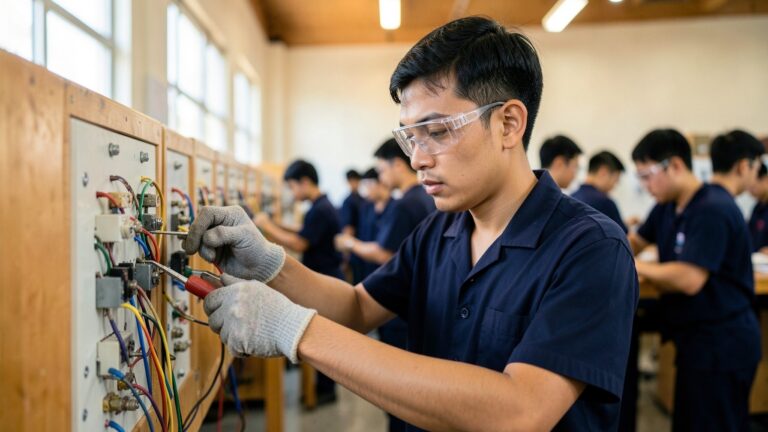
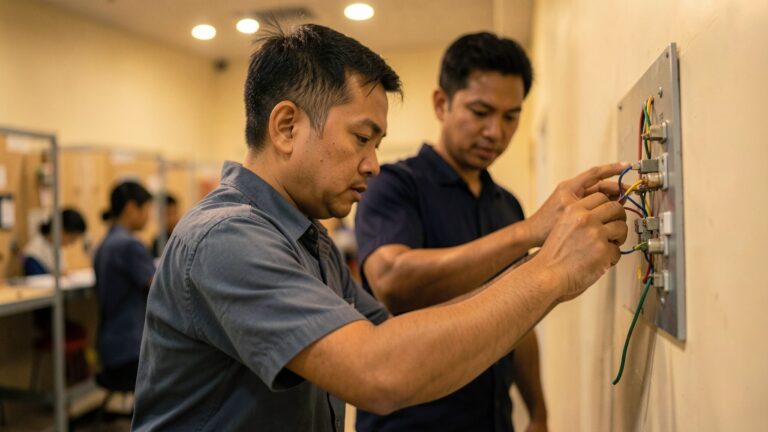
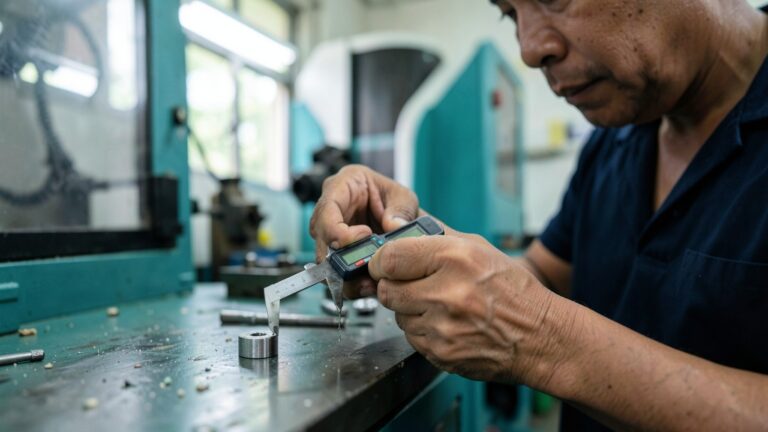
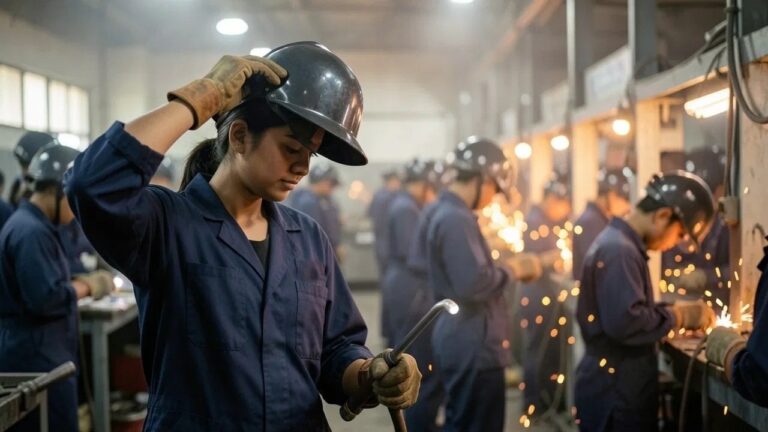
Nearly 587,000 students were enrolled in Malaysia’s TVET institutions in 2025, a fivefold increase since the establishment of the National TVET Council (MTVET) in 2020, demonstrating the system’s rapid expansion and its significance for stakeholders.
What TVET Is, and Who Runs It
TVET in Malaysia refers to certificate-, diploma-, and degree-level training delivered outside the traditional academic university track, regulated primarily through the Malaysian Skills Certificate (Sijil Kemahiran Malaysia, SKM) system. The agency responsible for that system, the Department of Skills Development (Jabatan Pembangunan Kemahiran, JPK), dates back to 1989, when it was established as the National Vocational Training Council (Majlis Latihan Vokasional Kebangsaan). It was rebranded JPK in 2006, the same year the National Skills Development Act 2006 (Act 652) came into force, giving the department its current legal footing under the Ministry of Human Resources.
Malaysia’s dual certification system, with skills certificates regulated by JPK and academic diplomas by MQA, reflects the system’s inclusivity and responsiveness to diverse learner needs, encouraging confidence among education professionals and industry partners.
How Students Actually Access It
The government’s own portal describes two main entry routes into the system today. TVET Perdana is the full-time track, aimed at students who have just completed their SPM (Sijil Pelajaran Malaysia), the Malaysian Certificate of Education, or an equivalent qualification, and leads to a Malaysian Skills Certificate recognised by both industry and JPK. TVET Flexi, by contrast, is built for people who can’t commit to full-time study, working professionals looking to add skills, individuals with industry experience seeking formal certification, or anyone needing a more flexible learning schedule, and offers both full certification and micro-credentials by subject area.
Malaysia’s push to grow this system isn’t exactly new. The government’s SkillsMalaysia agenda, launched in January 2011 under the Economic Transformation Programme, set an early target of a 50% skilled workforce by 2020 and secured recognition of the SKM (Sijil Kemahiran Malaysia, Malaysian Skills Certificate), a certificate for entry into 13 public service employment schemes.
Who’s in Charge Now
Coordination today sits with the National TVET Council (Majlis TVET Negara, MTVET), chaired by Deputy Prime Minister, YAB Dato’ Seri Dr. Ahmad Zahid bin Hamidi. Speaking at National TVET Day celebrations in June 2026, he put the current scale of the system in direct terms: approximately 587,000 students entered TVET institutions in 2025, compared with around 121,000 when the TVET Council was first established, and set a target of 650,000 enrolments for 2026, spread across 1,395 institutions nationwide.
A proposed TVET Act, announced during the Budget 2026 speech, would be Malaysia’s first dedicated piece of legislation for the sector, aimed at enhancing governance and coordination across the ministries currently sharing responsibility for it, thereby addressing stakeholder concerns about policy effectiveness and sector oversight.
What Budget 2026 Put Behind It
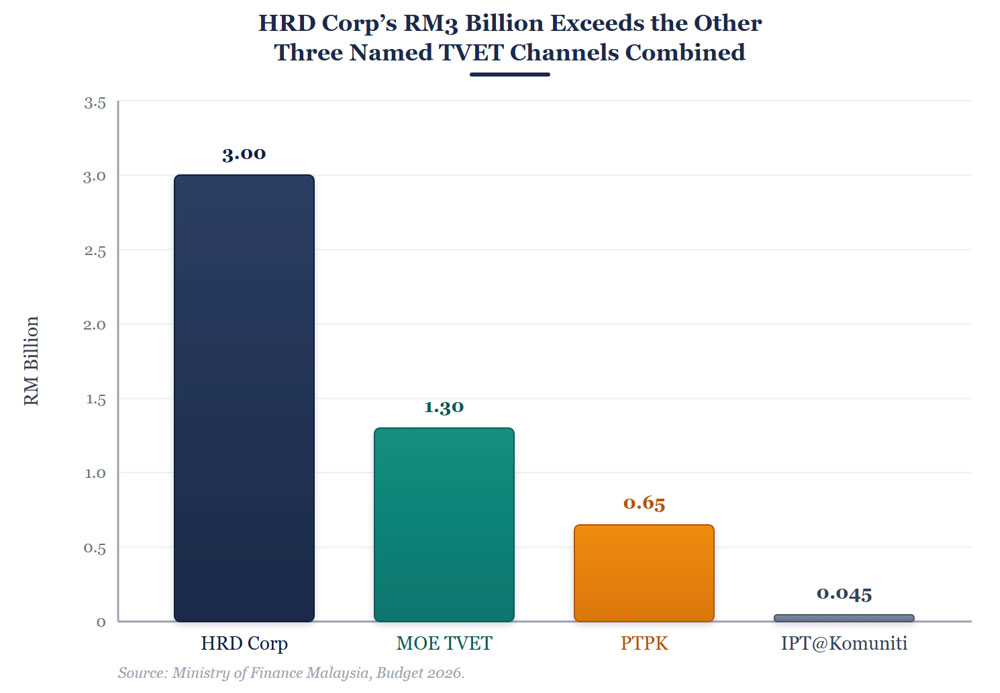
Malaysia’s Budget 2026 allocated RM7.9 billion to TVET. That allocation breaks down across several channels. TVET institutions under the Ministry of Education received RM1.3 billion, benefiting 79,000 students. HRD Corp (Human Resources Development Corporation) was allocated RM3 billion to provide up to 3 million training opportunities, with a focus on high-tech, digital, and energy-transition skills. MTVET itself received RM45 million to introduce digital technology and AI literacy to 10,000 students at Tahfiz and Pondok religious schools through the IPT@Komuniti programme. The Perbadanan Tabung Pembangunan Kemahiran (PTPK), which finances private TVET training, saw its fund increased from RM500 million to RM650 million.
Physical infrastructure is expanding alongside funding: a new hangar at ADTEC Shah Alam for aircraft maintenance training; a Teaching Shipyard TVET Marine Complex at Universiti Malaysia Terengganu (UMT), under construction; and a new vocational college planned for Sabah.